
How to Care for Hydrangeas
Download the PDF version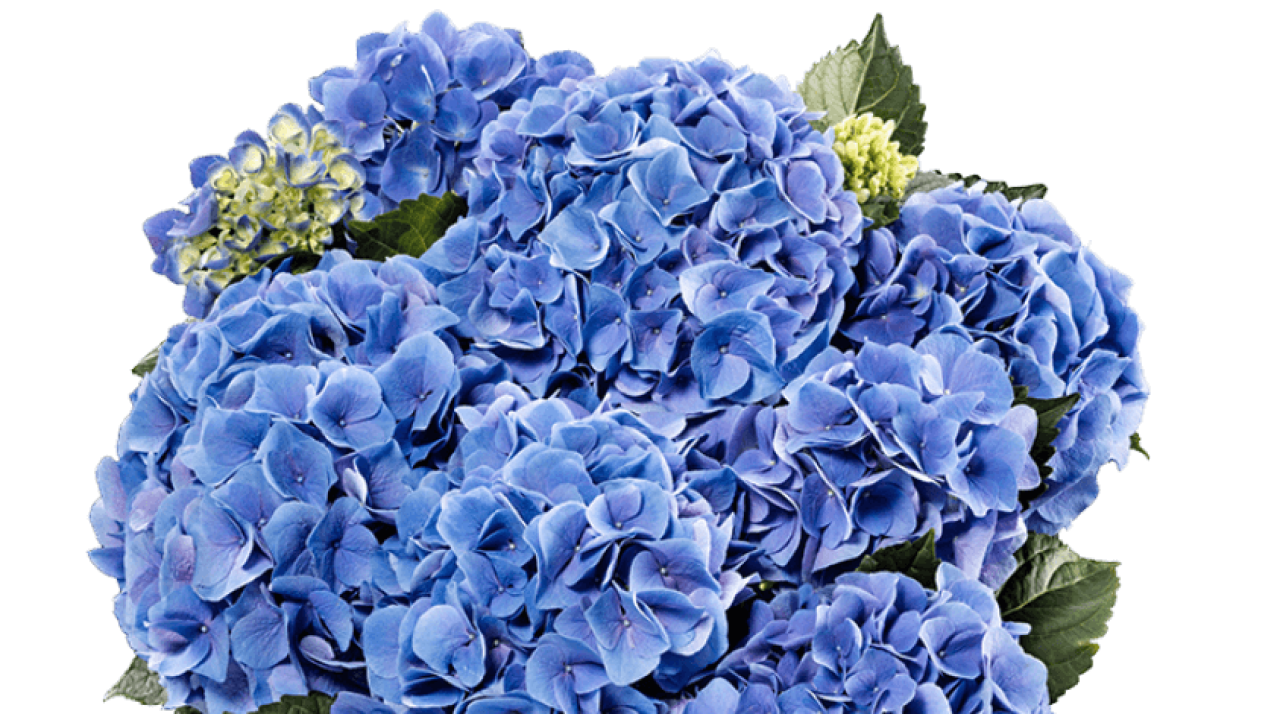
Care tips for finished Hydrangeas
Hydrangea Macrophylla is a “Florist Hydrangea”, and the breeder is the HBA out of Europe. These plants were bred to be enjoyed indoors as a potted plant. If planted outside, you will have a lovely green plant year after year, with only a flower here or there. They can handle some sun, but should be kept in the shade. These Hydrangeas can handle medium to cool temperatures, but don’t do well in excessive heat. They require medium to heavy waterings.
Light requirements
Place your Hydrangea in bright, indirect sunlight, and avoid direct afternoon sunlight, which can scorch the leaves and fade the flowers.

Watering
These plants require a lot of water! Each day, take your plant out of the decorative pot or pot cover and place in a bowl with 2″ of cool water. Allow the soil to absorb the water for 3-5 minutes and let the excess drip off before returning to their decorative pot.

Pruning
Remove faded blooms (deadheading) to encourage new flowers and maintain the plant's appearance. Trim dead or damaged leaves and stems regularly to keep the plant healthy.

Outdoor care
Bigleaf hydrangeas are the variety most susceptible to winter bud injury. If you live in an area with severe winters, you might need to offer it some protection. Tying the branches together and wrapping them with burlap can help the plant survive winter. Remove the burlap when the buds begin to expand. Spent flowers can be trimmed away as they fade to keep the plant looking tidy. When most of the flowers have faded, it’s time for pruning. Selectively prune the dead and weaker stems, both old and new, using bypass pruners. But don’t prune all the old wood because this is what will keep flowering as the new growth matures.